
Unmanned naval systems are rapidly reaching the limitations of physics with regard to their endurance. Current internal combustion and electrically powered systems have several drawbacks. In addition to range/weight issues, liquid fuel engines make for noisy UAVs which can compromise missions in some circumstances, such as intelligence, surveillance, and reconnaissance. Electrically-powered UAVs are quiet, but batteries do not approach the energy contained within a similar weight of fossil fuel. This article clearly explains the physical limitations of current battery technologies. Modern lithium-ion batteries are problematic due to their propensity to catch fire and explode. SOCOM’s billion dollar Advanced SEAL Delivery System (ASDS) fire illustrated why navies are not keen on carrying lithium-ion batteries at sea, especially undersea. Clearly, alternative power technologies are in high demand.
Previously, we highlighted the use of ship-based lasers to power future UAS. The video below discusses these tests, along with a propane-powered variant. Planned upcoming flight tests will demonstrate the ability to keep a Stalker Small Tactical UAS aloft using a laser for two to three days.
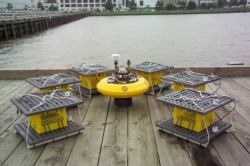
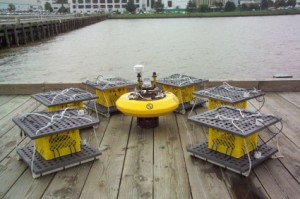
For long-endurance surface and underwater vehicles where speed is not a mission requirement, wave power and buoyancy-driven gliders are viable alternatives. Another possibility for powering future autonomous sea-floor crawlers or UUVs is the benthic microbial fuel cell. Naval drones will require continued innovations in power to allow performance necessary to meet future operational requirements.
This article was re-posted by permission from NavalDrones.com.
One thought on “Future Naval Drone Power Pt II”