Tag Archives: featured

How Lessons from HA/DR Can Prepare Naval Forces for Combat

Naval HA/DR Topic Week

By Greg Smith

When disaster strikes near the sea, U.S. naval forces are often the first available to execute humanitarian assistance and disaster response (HA/DR) missions.  With due regard to the suffering, destruction and loss caused by these disasters, it is possible to note that in many ways these tragedies become opportunities for U.S. naval forces to prepare leaders for combat operations. HA/DR involves a greater sense of urgency and higher stakes than scheduled exercises and training. Especially for the junior officers who participate, HA/DR operations enhance understandings of joint, combined, and interagency coordination and provide an opportunity to develop judgment through prudent risk-taking. 

HA/DR operations entail unique, unscripted collaboration with joint and interagency partners. With unity of effort and time as the common enemy, military and civilian organizations cut through red tape and temporarily set parochial interests aside. For leaders at every level, the result is a fundamental and significantly-improved understanding of the capabilities of the “others” with whom they have worked, operated, planned, and communicated during the HA/DR operation.
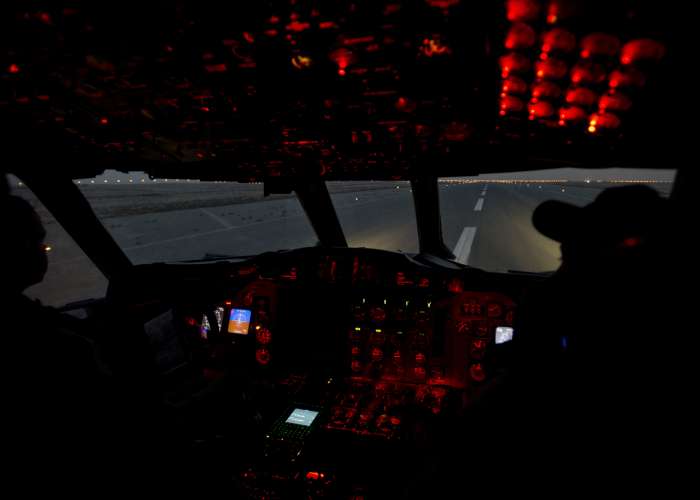
3sep15VP26Home-2
The flight crew aboard a P-3C Orion maritime patrol aircraft assigned to Patrol Squadron (VP) 26 taxi the aircraft after returning from a maritime surveillance patrol in the Middle East. Photo by MC1(SW) Steve Smith.

Anecdotally, the author observed this benefit of HA/DR experience during instruction in Joint Military Operations at the U.S. College of Naval Command and Staff in 2007. Most of the officers in the seminar had served in support of Operations Enduring and Iraqi Freedom in some capacity, and two army officers — a Green Beret and a Special Operations Aviation Regiment pilot — had seen significant combat. For the most part, the army officers outperformed the rest of the seminar in knowledge of joint and service doctrine. However, in understanding joint and interagency capabilities, coordination challenges, and command and control requirements, an E-2C Hawkeye pilot, with extensive experience supporting Hurricane Katrina HA/DR efforts, far surpassed even the army combat veterans. This was not a poor reflection on those army officers (or the rest of the seminar); rather it illustrated the training value of HA/DR missions. The lessons learned and shared during the seminar may significantly enhance the ability of officers to command, coordinate, plan and execute future joint, combined, and interagency operations. 

HA/DR also provides an opportunity for junior officers to take prudent risks, pushing themselves and their equipment further than they might otherwise do in peacetime. Making time-critical decisions when lives are on the line develops sound judgment far better than simulations or scripted training scenarios. During training, the most conservative approach is often the most prudent, potentially reinforcing a risk aversion that might not serve officers well in combat. On January 12th 2010, the day a devastating earthquake struck Haiti, a U.S. Navy P-3C Orion waited on deck in El Salvador in a two-hour ready-alert posture in support of counter-drug operations. When tasked to provide reconnaissance over Haiti, the crew expedited departure and was airborne in less than 90 minutes. Within four hours of the earthquake, the Orion was recording critical imagery of Haiti in support of the HA/DR effort that would be named Operation Unified Response. With minimal guidance, the crew was required to make countless time-critical decisions that illustrate the value of HA/DR to the development of sound judgment in naval officers. 

Knowing that they would be the only aircraft over Haiti for some time, the P-3 crew began to ascertain the best way to remain on station for as long as possible. Several prudent risk calculations followed. First, the plane would land in Jacksonville, Florida, which was closer to Haiti than El Salvador. Jacksonville also had the technical ability to process the collected video and expedite that intelligence to those directing the response. Second, they would deliberately shut down two engines in flight to minimize fuel consumption.1 Landing after thirteen hours in flight, the crew relied on the existing support organizations in Jacksonville to deliver the collected imagery, perform daily maintenance on the aircraft and make billeting arrangements. This enabled the crew to take a third prudent risk and execute a second mission with minimal turn-around time. In the forty hours following the earthquake, the crew safely collected more than twenty hours of full motion video and hundreds of images of Haiti’s bridges, roads, ports, and airfields. The junior officers who led the crew balanced guidance found in Navy instructions with the urgency of the mission, taking prudent risks to gather intelligence for planners of HA/DR operations and to assist the earthquake victims. The judgment and leadership skills developed in this effort will be invaluable during combat operations.
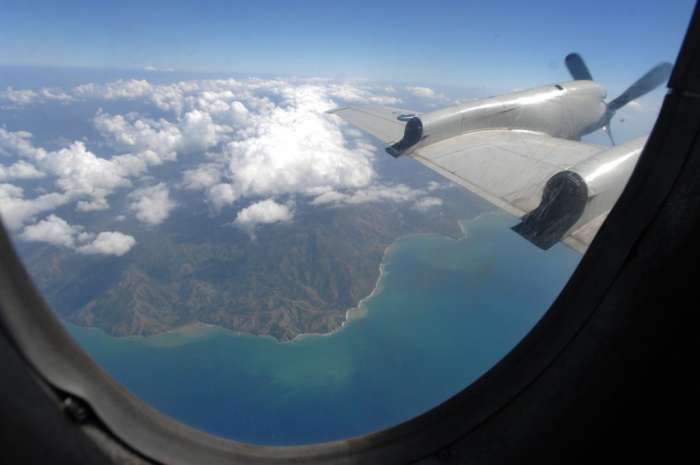
554128313
A P-3 surveils Haiti after the earthquake. Photo Source: John Pemberton/The Times-Union.

Of course, there are important differences between HA/DR and combat operations. The unclassified nature of HA/DR facilitates coordination. The use of any and first-available communication methods (email, mobile phone, unsecured radios) greatly enhances collaboration with host nations, civilian government agencies, non-governmental organizations, and forces afloat or ashore.   In addition, access to airfields and ports as well as entry and overflight requirements are expedited, waived or not applicable for forces rendering assistance. During combat operations, the Department of Defense and State Department work tirelessly to enable access for supporting units and staffs in the theater of operations.  Maintaining supply routes through Pakistan and access to Manas Air Base in Kyrgyzstan to support combat operations in Afghanistan, for example, demanded constant effort by staffs, planners, and senior leaders, including the Secretary of Defense and Secretary of State. Coordination with partner nations and the U.S. interagency is required during HA/DR, but the willingness to waive access restrictions for military units during HA/DR is often much greater than for combat operations.

These significant differences between HA/DR and combat operations give cause to reevaluate the DoD’s classification policies and methods for ensuring access.   Unclassified communications facilitate coordination with interagency, non-governmental and foreign partners. If partnering is critical to the success of future combat operations, the Department of Defense should consider modifying classification or clearance policies to facilitate coordination during combat in some cases. When speed is more important than secrecy or surprise, existing U.S. classification standards could be a hindrance to success. Similarly, the ability to cut through red tape, in both U.S. and partner-nation bureaucracies, could facilitate access during HA/DR missions and benefit future combat operations. Absent the urgency of HA/DR, relationships are required to enable this type of expediency.  Developing and maintaining interagency and partner nation relationships that enable access should be a priority for naval forces during peace time.

HA/DR requires naval forces to collaborate, innovate, and take prudent risks to accomplish the mission. These operations provide exposure to joint and interagency operations and offer opportunities for junior officers to make decisions under pressure, facilitating the development of skills that can be valuable in combat. Lessons from HA/DR operations in interacting with interagency and nongovernmental partners abroad should lead U.S. naval forces to rethink classification policies and access strategies. Naval forces should continue to respond to natural disasters to render assistance and save lives. As we seek increasingly adaptive, flexible and agile forces, these missions can prepare naval forces, especially junior officers, for future combat operations.  

Commander Greg Smith, USN, is a  P-3C naval flight officer and the former commanding officer of VP-26.  He is currently serving as a Federal Executive Fellow at the Johns Hopkins University – Applied Physics Lab (APL). The views expressed are his own and do not represent the views of the U.S. Navy or APL.

 1 The four-engine P-3C Orion can increase its endurance at certain weights and airspeeds by loitering (i.e. deliberately shutting down) an engine in flight.  During long missions, three-engine flight has been common throughout the 60-year history of the Orion. Loitering two engines can further increase endurance, but it is rarely prudent to do so.   
Positioning Naval HA/DR in India’s Image Making

Naval HA/DR Topic Week

By Vidya Sagar Reddy

The frequency and intensity of natural disasters that beset the Indian Ocean region is rising, owing to both natural and man-made causes. The sectarian and geopolitical complications undermining the stability of West Asia is also bearing direct economic and security problems for this region. The incapacity of least developed countries like Bangladesh, Myanmar, Nepal etc. at responding effectively to these disasters compounds the problem.

India is playing a decidedly critical role in this context. Its geographic position in the Indian Ocean, diasporic relations and energy dependence on West Asia, economic interdependence with East Asia, requisite for a stable and developing neighborhood, and the availability of a dedicated navy are key natural imperatives for the country to assume responsibility during Humanitarian Assistance and Disaster Relief (HA/DR) contingencies.

Prompt and efficient HA/DR relief across this vast region is best guaranteed through the deployment of naval assets owing to their global reach via the maritime global commons. Naval ships of various countries deployed for routine goodwill, flag-showing and trade protection tasks on the high seas can immediately be called upon to provide relief. India’s Operation Sukoon is a case in point where naval ships returning from a goodwill visit to the Mediterranean were redeployed to evacuate civilians from the 2006 Lebanon crisis.

Immediate requirements such as communications, airlift logistics, search and rescue, and command and control can be secured with minimum delay as shipboard weather and communication posts are resilient and have secure access to space-based assets. More importantly, the personnel are trained to serve under pressing circumstances.

The prompt response by the American aircraft carrier USS Carl Vinson ordered to relieve Haiti devastated by a 7.0 magnitude earthquake in 2010 and the resilience of Australian patrol boats HMAS Advance, HMAS Assail, and the submarine HMS Odin in relieving the city of Darwin after it was struck by cyclone Tracy stand as two key examples. The teamwork of US airmen, Pakistani soldiers, and Ukrainian aid workers unloading relief supplies from a Russian military transport plane marks the optimism in coordination and communication that can be achieved between rival militaries during natural disasters.

The relief operations undertaken by the Indian Navy (IN) during the 2004 Indian Ocean tsunami is a watershed moment for both the service and the country. Although itself a victim, India simultaneously mounted three external relief operations sending naval ships with medical supplies, food and water, and electric generators towards Sri Lanka, Maldives and Indonesia.

These operations earned India international recognition and opened new avenues for cooperation. India was invited to join the United States, Japan and Australia forming a ‘core group’ for relieving the tsunami disaster. Its recovery efforts have been praised as “reversing historic patterns of vulnerability and discrimination.” As such, India’s capabilities and HA/DR management proved its emerging reliability in handling such contingencies across the region.

The unique capabilities of a naval ship once again came to light when the water generation plant in the Maldivian capital became dysfunctional in December 2014 affecting over 100,000 people. India dispatched the large fleet tanker INS Deepak with 900 tons of packed water and provided the capability of producing 100 tons of water every day using onboard reverse osmosis equipment. It joined INS Sukanya which had already been rushed to Male with 35 tons of packed water. While the Maldives issued distress calls to the US, China, and Sri Lanka, prompt response from New Delhi was vital. A statement from the Ministry of External Affairs highlights India’s proactive attitude towards relieving HA/DR problems in its immediate neighborhood.

In 2008, when the military rulers of Myanmar refused permission for the American warship USS Essex and a host of international aid agencies during cyclone Nargis, India managed to send two naval ships INS Rana and INS Kirpan which braved rough seas to provide relief. Thereafter, India was able to impress upon Myanmar’s military administration the need to accept international aid. This highlights India’s growing confidence in utilizing diplomacy for securing the trust of its extended neighborhood.

West Asia is one broader geographic realm that preoccupies India’s HA/DR resources. India has experience in evacuating citizens amid armed conflicts where local governments could have been overthrown as well as negotiating transport corridors such as in Kuwait in 1990, Lebanon in 2006, and Libya in 2011. India has mounted proactive relief operations, exemplified by Operation Raahat.

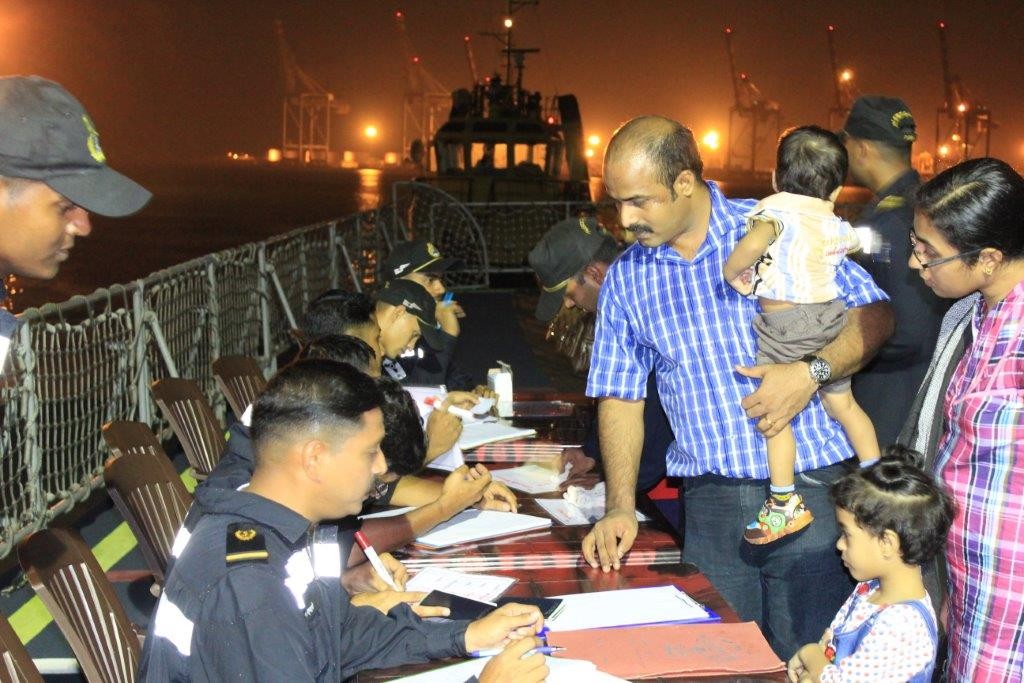
The IN ships Mumbai, Tarkash and Sumitra were the front-line platforms that braved shelling to evacuate civilians and escort other ships reaching safe zones from war-torn Yemen during March-April 2015. India also deployed the Minister of State for External Affairs, Gen. V. K. Singh, to Djibouti for coordinating the operations.  Along with 4,748 Indians, 1,962 foreign nationals from 26 countries including Bangladesh, Nepal, Pakistan, Myanmar, the United Kingdom, Germany, France and the US were also rescued. Although possessing a large forward deployed fleet and other assets in the region, the US urged its citizens to approach the Indian officials for safe evacuation. This mission won hearts and minds of many countries across the world for India.The successful conclusion of this operation is also a graduation for the country marking its ability to offer assistance even for the developed world in such dire humanitarian situations. 

Registration_of_Indian_citizens_evacuating_from_Yemen_in_progress_(2015)_-_1
Indian Navy personnel registering Indian citizens evacuating from Yemen. Source: Indian Navy.

While these operations have already been conceptualized into the ‘benign role’ to be performed by the IN, its leadership is taking proactive, region-wide measures in this realm. India’s chief of naval staff attended the recent Indian Ocean Naval Symposium (IONS) in Bangladesh and presented a guideline document for setting up a framework for coordinating HA/DR activities in the Indian Ocean region. This is in line with the principle objective of IONS for developing interoperability between member navies in terms of capabilities and operational procedures.

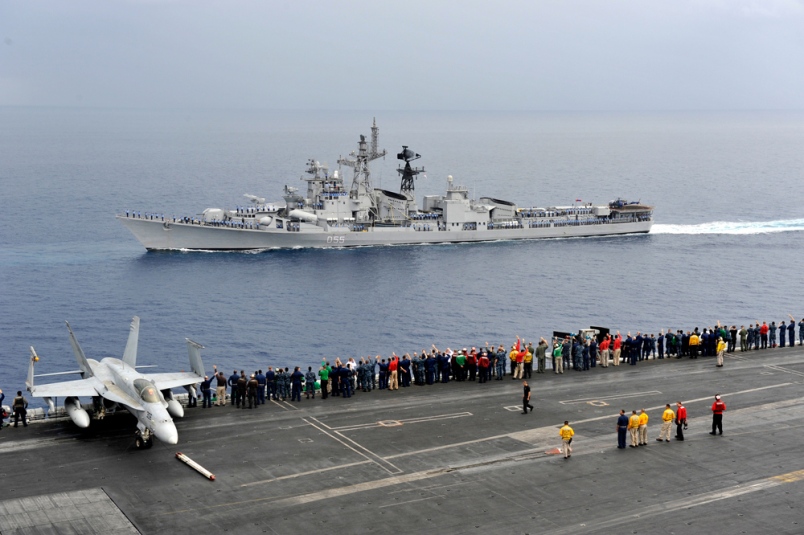
IN ships routinely participate in HA/DR simulations conducted within the services as well as bilateral and multilateral exercises like Varuna, Milan, ASEAN Regional Forum Disaster Relief Exercise, and RIMPAC for proving readiness. The IN could respond to disasters in landlocked circumstances by flying in experienced medical teams, divers, and salvage experts who have fought the 2013 Uttarakhand floods, 2014 Kashmir floods, 2015 Nepal earthquake, and the recent floods in southern India.

image
Sailors aboard the USS Carl Vinson aircraft carrier wave to the Indian Navy destroyer INS Ranvijay during the annual Exercise Malabar, April 16, 2012. LORI D. BENT/U.S. NAVY.

India’s image has been elevated from an aid recipient country to that of an international donor owing to these developments. However, the most impressive achievements can only be perceived at home. The political class in New Delhi is willing to assign the IN for HA/DR response across the Indian Ocean region and the bureaucracy has become comfortable with executing these operations. The IN continues to exercise a high level of joint readiness with sister services and relevant civilian organizations in this domain.

India’s success at breaking through rigid political barriers during critical periods can certainly be attributed to its altruistic ideology of peace and friendship, and by respecting territorial sovereignty of other countries, a common source of contention during HA/DR operations. The IN’s operating mindset and responsibility has made it a dependable partner for ensuring peaceful development, bolstering regional stability, and enhancing the international prestige of India.

Vidya Sagar Reddy is a researcher at the Observer Research Foundation, New Delhi.

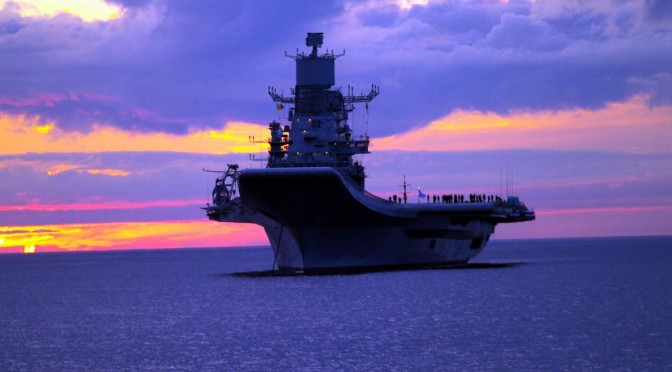
Featured image: INS Vikramaditya in Baltic Sea during her trials in 2013. Source: Indian Navy. 

Other Than War: HA/DR and Geopolitics

Naval HA/DR Topic Week

By Joshua Tallis

Military Operations Other Than War. Maritime Irregular Activities. Maritime Security Operations. The terminology with which we refer to humanitarian assistance and disaster relief (HA/DR), among other non-traditional functions, draws a clear distinction: there is war, and then there is everything else. Under such categorization, HA/DR is often something to do until more important responsibilities come along. That is not to say that the men and women of the United States Navy are not committed to making the world a better place. It is to say, however, that too often HA/DR runs the risk of being divorced from a wider strategic narrative.

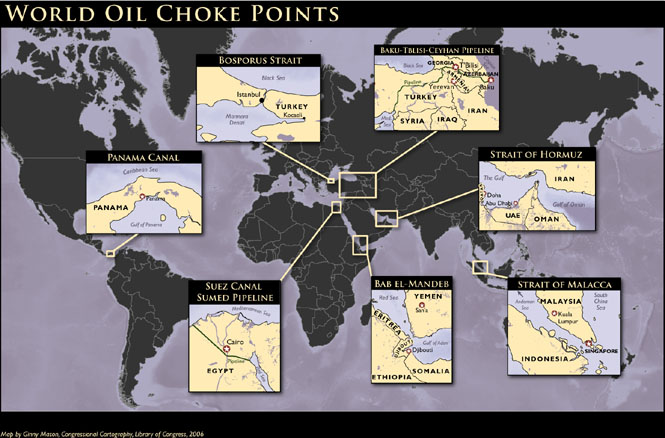
Take, for example, the reemergence of China. The People’s Liberation Army Navy (PLAN) is perhaps decades away from posing an equal challenge to the U.S. Navy outside of its near abroad, if it ever rises to that point. Yet, in the years until China develops the infrastructure, ships, and knowledge base to steam globally, it will not lie dormant. In that time, the strategic and political landscape will be shaped globally in part by a battle for soft power, building relationships, currying favor, and stabilizing troubled choke points.

chokepoints_small
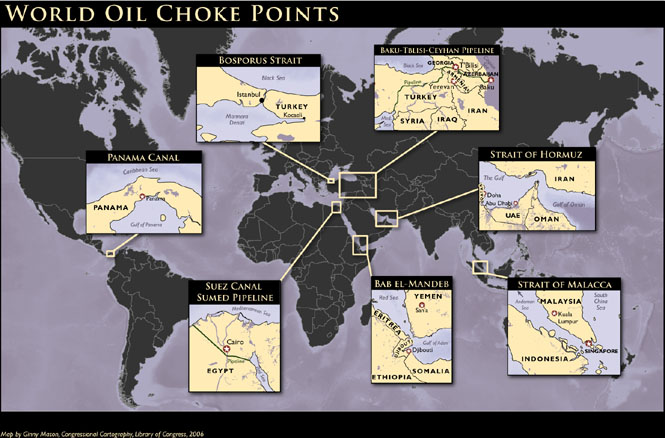
Critical maritime chokepoints. Source.

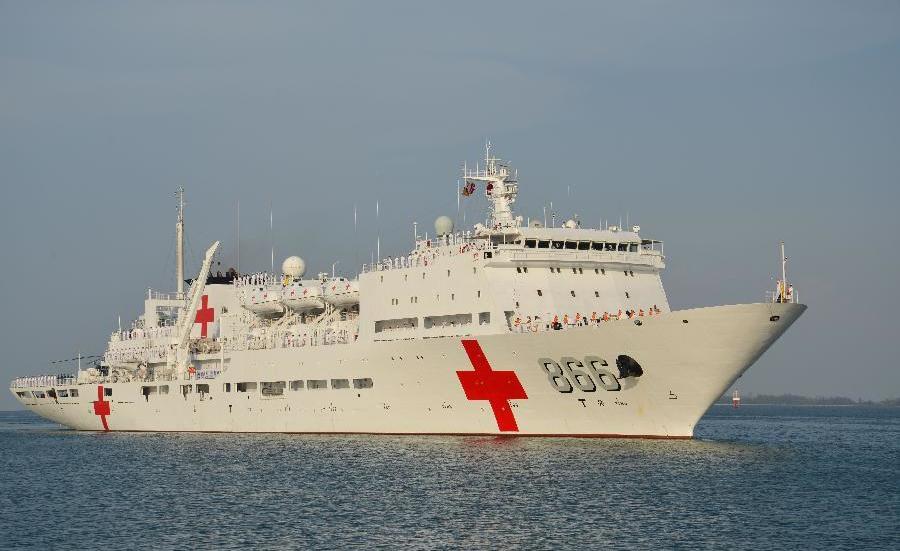
Under this guise, humanitarian assistance and disaster relief are not ancillary to the broader strategic landscape, but pivotal in its construction. Already we can see elements of this mindset, not only in Chinese development projects throughout the world, but in the use of the PLAN for displays of soft power. The Chinese hospital ship Peace Ark, for example, after previous stops in Asia and Africa, deployed for the first time to the Caribbean Sea in the fall of 2011.1 And while the U.S., according to a posture statement from SOUTHCOM in 2014, deploys about 700 medical professionals to the Basin annually, such contributions (in an already low-priority combatant command) may shrink even further. Cuba, by way of contrast, has used similar missions to sustain regional favor and influence in the face of longstanding ostracism from the U.S., sending 30,000 medical professionals into the Basin, many to Venezuela.2 And while more doctors for a poor region is always a good thing, goodwill may be, in important measure, a zero-sum contest when we take the geopolitical long view.

132460717_21n
Chinese hospital ship Peace Ark. Xinhua Photo.

HA/DR helps shape local political contexts, and it is within such contexts that future American diplomats and soldiers (and those of other nations) will operate. Though HA/DR is a moral imperative in its own right, without the expectation of a quid pro quo, it stands to reason that in an anarchic political landscape, nations will gravitate towards a country they have seen to have their best interests at heart.

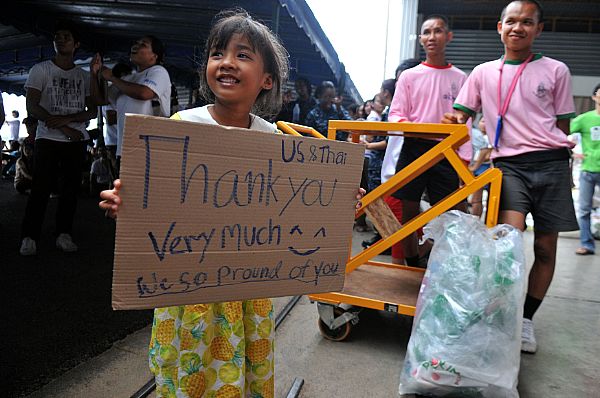
What might that look like? Humanitarian assistance and disaster relief operations offer a wide swath of the developing world an opportunity to interface positively and intimately with the faceless American war machine. Such operations introduce a new generation to what the United States does and what global leadership means. Moreover, it signals that the United States is invested in maintaining presence and stability, something incredibly important at a time when many have called into question American commitments to allies from Europe, to the Middle East, to the Asia-Pacific. In such an era, increased goodwill, through genuine engagement with local communities, could provide the foundation for easing concerns over an American retrenchment, subtly but importantly shifting the prevailing narrative of an American withdrawal. That is, after all, a difficult narrative to sustain while American sailors are frequently seen distributing medical or food aid. Or, HA/DR could signal the opposite, that another country is more invested in the region’s success than the United States. The decision rests with Washington.

111023-N-WW409-696 UTAPAO, Thailand (Oct. 23, 2011) A child from the local community holds a sign thanking the U.S. Sailors from the guided missile destroyer USS Mustin (DDG 89) and members from the Royal Thai Armed Forces during a community service event organized by the Princess Pa Foundation, Thai Red Cross Society. More than 40 Sailors from Mustin volunteered their time with the local community and members from the Royal Thai Armed Forces with assisting in preparing more than 5,000 packages. (U.S. Navy photo by Mass Communication Specialist 1st Class Jennifer A. Villalovos/Released)
UTAPAO, Thailand (Oct. 23, 2011) A child from the local community holds a sign thanking the U.S. Sailors from the guided missile destroyer USS Mustin (DDG 89) and members from the Royal Thai Armed Forces during a community service event organized by the Princess Pa Foundation, Thai Red Cross Society. More than 40 Sailors from Mustin volunteered their time with the local community and members from the Royal Thai Armed Forces with assisting in preparing more than 5,000 packages. (U.S. Navy photo by Mass Communication Specialist 1st Class Jennifer A. Villalovos/Released)

This, consequently, gives rise to another example of the strategic importance of HA/DR: the threat posed by unstable choke points. The fallout from climate change, deforestation, illegal, unreported and unregulated fishing, pollution, sea level rise, coastal erosion, corrosion of estuaries, depleted fish stocks, mass migration, poverty, urbanization on the coasts—all suggest that intensely poor littoral communities around the world will fall under greater pressure in the coming decades (as expressed well by David Kilcullen, for example, in Out of the Mountains). Increasingly at-risk populations (which continue to grow), with fewer financial opportunities, and with fewer communal ties as a result of migration and urbanization, will face ever more common and ever more devastating extreme weather. Dislocation, poverty, and dissatisfaction are recipes for instability and could threaten critical junctures in the Gulf of Aden, the Caribbean, or the Straits of Malacca and Singapore, to name just a few.

Failure to secure such communities when they are at greatest peril will inevitably have reverberating implications for the maritime space. This has obvious overtones for the war on terror as well. Since September 11, we have understood that countering violent extremism requires, in part, a battle of ideas. That means wielding soft power and making positive impacts on the lives of those most in need and most at risk. HA/DR provides an opportunity to portray tangible benefits from a relationship with the West, to expose whole populations to the ‘other,’ and to let U.S. sailors continue to serve as ambassadors for the American idea.

Ultimately, the responsibility of the United States Navy will remain to prevent and, if need be, win high-end conventional wars. Seen in that lens, however, HA/DR is all too often relegated to the backbench in strategic conversations. In reality, missions on the softer end of the operational spectrum present an opportunity to prevent and win battles that may be fought by those who are barely in grade school now. Humanitarian assistance and disaster relief shape the geostrategic landscape in subtle but consequential and potentially enduring ways. Until HA/DR is incorporated into that broader discussion, it will remain simply one of many operations other than war.

Joshua Tallis is a PhD candidate at the University of St Andrews’ Centre for the Study of Terrorism and Political Violence. He is a Research Specialist at CNA Corporation, a nonprofit research and analysis organization located in Arlington, VA. The views and opinions in this article are his own and do not necessarily represent the position of the University or CNA.

1 http://www.andrewerickson.com/2011/09/pla-daily-offers-latest-details-on-peace-ark-hospital-ships-1st-medical-mission-to-caribbean/

2 SOUTHCOM Posture Statement from General Kelly, 2014.

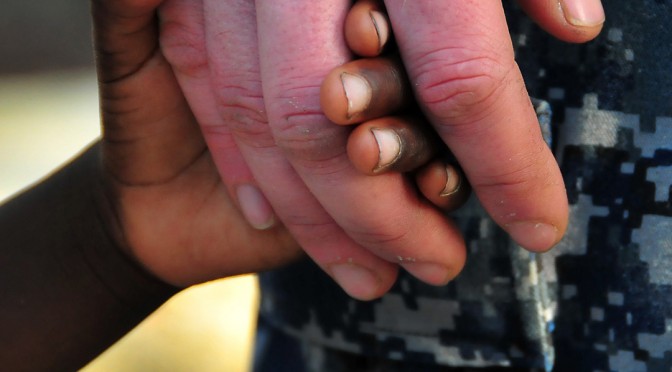
Featured image: Sailor holding an aid recipient’s hand. Source.

Naval HA/DR Week Kicks Off on CIMSEC

By Dmitry Filipoff

This week CIMSEC is running a topic week on Naval Humanitarian Assistance/Disaster Relief (HA/DR). Our audience replied to the call for articles with strong contributions featuring varied and in-depth analyses. Their writings explore the complex and urgent nature of HA/DR missions, the importance of demonstrating goodwill to the international community, and provide recommendations to better perform this key mission. We thank our authors for their contributions. 

Below is a list of articles featuring during the topic week. It will be updated as the topic week rolls out and as prospective authors finalize additional publications.

Other Than War: HA/DR and Geopolitics by Joshua Tallis
Positioning Naval HA/DR in India’s Image Making by Vidya Sagar Reddy
How Lessons from HA/DR Can Prepare Naval Forces for Combat by Greg Smith
Applying Interagency Concepts from Domestic Disaster Response to Foreign HA/DR by Robert C. Rasmussen
Aligning HA/DR Mission Parameters with US Navy Maritime Strategy by CAPT John C. Devlin (ret.) and CDR John J. Devlin
A Proactive Approach to Deploying Naval Assets in Support of HA/DR Missions by Marjorie Greene
Enabling More Effective Naval Integration into Humanitarian Responses by David Polatty
The Challenges of Coming Together in a Crisis by David Broyles
Flattops Of Mercy by LCDR Josh Heivly
The Legacy of the 2004 Indian Ocean Earthquake and Tsunami On U.S. Maritime Strategy by CDR Andrea H. Cameron

Dmitry Filipoff is CIMSEC’s Director of Online Content. Contact the CIMSEC editorial team at Nextwar@cimsec.org.

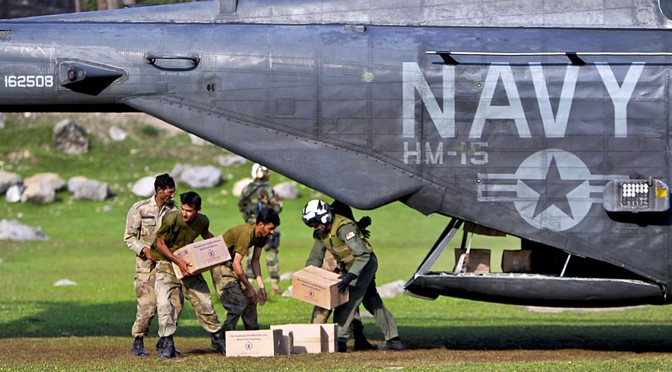
Featured Image: A U.S. Navy aircrew helps Pakistani soldiers load relief supplies aboard a U.S. Navy MH-53E Sea Dragon helicopter during humanitarian relief efforts in Pakistan’s Khyber-Pakhtunkhwa province, Aug. 21, 2010. The U.S. crew, assigned to Helicopter Mine Countermeasures Squadron 15, is embarked aboard the amphibious assault ship USS Peleliu to support the Pakistan government in flooded regions of Pakistan. U.S. Marine Corps photo by Capt. Paul Duncan.